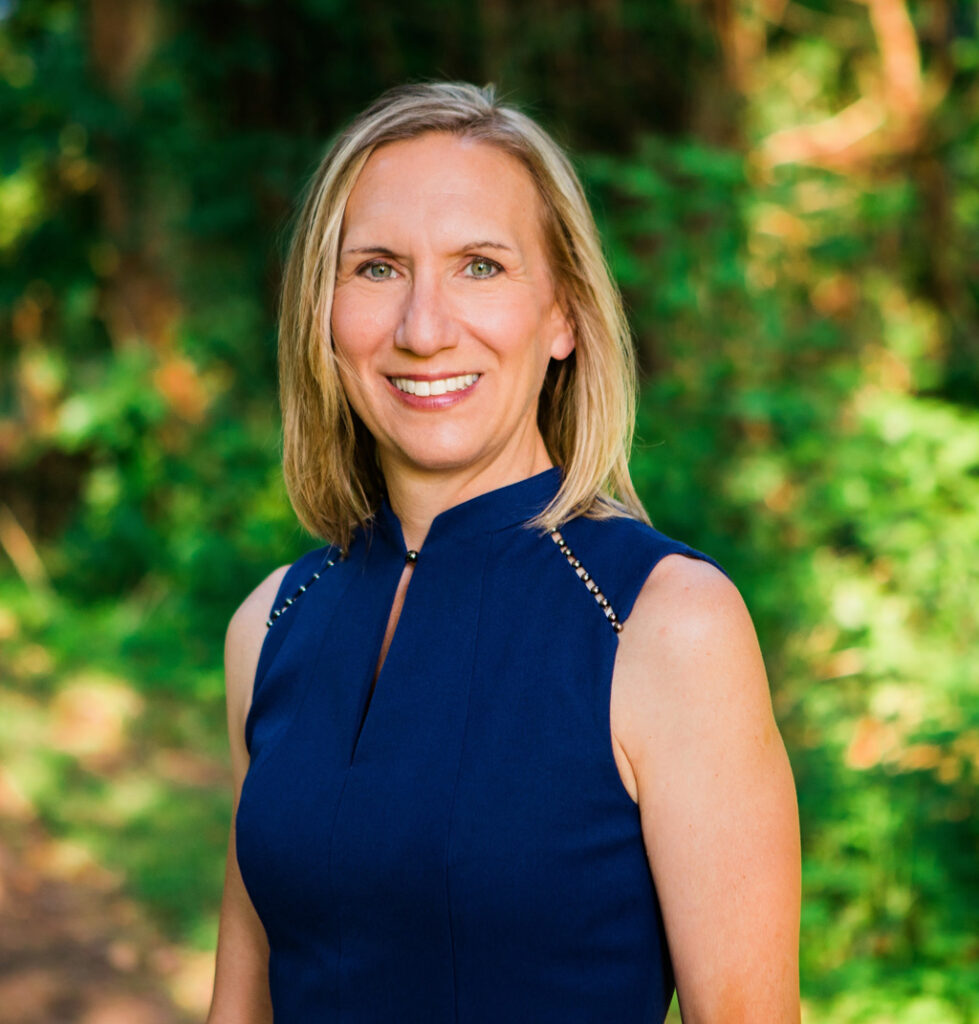
Veteran. Author. Speaker. Thought Leader.
I help leaders, teams, and individuals navigate crisis, uncertainty, and turbulent change by developing the inner resources that drive better decisions, healthier conflict, and ethical action under pressure.
I teach people to work with the body rather than override it, so they can build embodied resilience and the capacity to adapt. This approach sparks deep transformations that often reach beyond the individual—into our relationships, our teams, and the systems we lead.
I’ve taught these tools worldwide to corporate executives, senior government leaders, military service-members and veterans, diplomats, humanitarian aid workers, intelligence officers, law enforcement and other first responders, and healthcare workers.
There’s nothing I teach that I didn’t first learn in my own mind and body, test through empirical research, and refine through working with many thousands of people in extreme conditions around the world.
What Drives My Work
I care deeply about building adaptive capacity at every level—individual, team, organizational—because when we have that capacity, we can meet disruption wisely, access choice, and stay aligned with our values, even when the ground is shifting beneath us.
My work integrates the science of stress and resilience, trauma-informed practice, and organizational leadership to address a root cause that most strategies overlook: dysregulation at the individual and collective level. When stress pushes our mind-body state outside the range where we can think clearly and stay connected, our survival brain and nervous system shape how we perceive, decide, relate, and lead. That shows up in team dynamics, organizational culture, conflict patterns, ethical choices, and strategic outcomes. Individual regulation has collective consequences.
When we operate only from the neck up, we miss critical information from our body, nervous system, and survival brain, and from the people around us. We may respond less effectively, feel disconnected from others, and burn out, with little chance to truly rest and recover after challenges.
Embodied resilience offers another way. As we integrate all of our intelligences—cognitive, emotional, somatic, and relational—we learn to bring awareness fully into our bodies. From this place, we can make choices from our whole, embodied selves and meet whatever arises feeling more grounded, present, connected, and at ease.
Bio
I’m a U.S. Army veteran, author, keynote and workshop speaker, and the creator of Mindfulness-based Mind Fitness Training (MMFT)®. As an Army intelligence officer, I served in South Korea and Germany and on two peacekeeping deployments to the Balkans. I know chronic stress and trauma firsthand, including childhood adversity, a near-death experience while deployed in Bosnia, and temporary loss of my eyesight. My long road back from trauma led me to create MMFT® and write Widen the Window.
Along the way, I earned a Ph.D. from Harvard, an MBA from MIT, and a B.A. from Yale, and I’ve taught at Georgetown University for more than 25 years. I’ve also completed clinical training in body-based trauma therapies, culminating in certification as a Somatic Experiencing practitioner. I’ve practiced contemplative disciplines for more than 25 years, including ordination as a Buddhist nun in Myanmar.
Across my career, I’ve woven together international security, technology strategy, conflict resolution, organizational behavior, neuroscience, and somatic psychology into practical tools for leaders under pressure.
My Books
I’m drawn to understanding how human systems work and where we can find leverage for changing them to get better outcomes. I synthesize insights across many different fields to do this. My two books explore that question at very different scales, one at the level of nations and the other at the level of human neurobiology.
Paths to Peace examines the obstacles to ending intractable wars and the leverage points for overcoming them. It won the 2009 Furniss Award for best first book in international security.
Widen the Window, an international bestseller, explores the science of stress, trauma, and resilience, and the leverage points for changing our neurobiological conditioning so that we can live with more balance, vitality, and connection.
Mindfulness-based Mind Fitness Training (MMFT)
I created MMFT to help people build embodied resilience, the inner resources to stay grounded and adapt under pressure.
Working with neuroscientists and stress researchers, I’ve tested this evidence-based approach with U.S. combat troops preparing to deploy to Iraq and Afghanistan, and with Ukrainian military and civilians during the ongoing war. MMFT research has been published in top-tier peer-reviewed scientific journals and featured on many media outlets, including 60 Minutes, ABC Evening News, National Public Radio, Time, Forbes, and The Washington Post.
You can find all my research on Google Scholar, ResearchGate, and the Georgetown University website.
Ready to take the next step? I work with leaders and organizations through keynote speaking, immersive workshops, and extended consulting engagements designed for sustainable transformation.


Let’s Connect!
Receive a free audio version of the MMFT® Contact Points Exercise!
You must be logged in to post a comment.